
Comparing Carpet Cleaning Quotes in Bristol and Bath
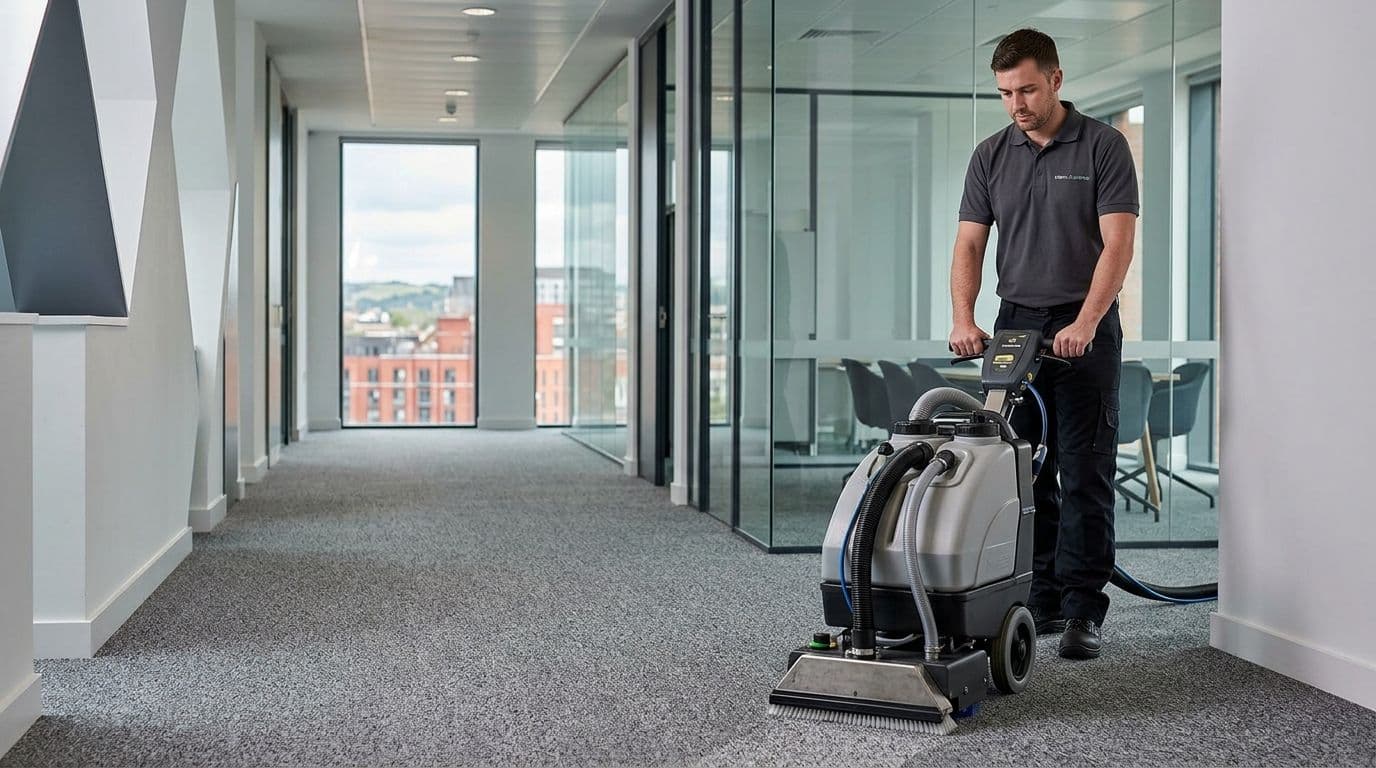
A lower headline price does not always mean a better-value carpet cleaning service. One quotation may cover a measured commercial floor area, while another may be based on rooms. One may include stain treatment and furniture moving; another may charge for them separately. The proposed method, drying arrangements and access requirements can also change the practical cost.
This guide explains how facilities managers and business owners can compare carpet cleaning quotes in Bristol and Bath on a like-for-like basis. It focuses on scope, cleaning method, operational disruption, site access, credentials and potential extras rather than claiming that one provider is universally cheapest or best.
Start with a like-for-like scope
Before comparing totals, check that every provider has quoted for the same work. Ask each company to state the carpeted area in square metres, or to list the exact rooms, floors and circulation areas included.
For a commercial premises, the brief should identify:
- Reception areas, corridors, stairs and open-plan floors
- Private offices, meeting rooms and communal spaces
- Heavily soiled or high-traffic zones
- Carpeted areas that are excluded because of furniture, access or condition
- Any separate buildings or floors at the same site
A room-based quote may be suitable for a small domestic job, but it should not be compared directly with a commercial quote calculated by square metre. Convert both quotations to the same scope before judging the totals. Do not assume that a lower room price represents a lower overall cost.
Ask for labour, equipment, materials, travel, minimum charges and out-of-hours work to be shown clearly. Also check whether VAT is included or excluded and how long the quotation remains valid.
A useful comparison sheet should record the quoted area, proposed method, preparation, inclusions, exclusions, access assumptions, timing and total known cost. If a provider has not stated one of these items, ask for clarification rather than filling in the gap yourself.
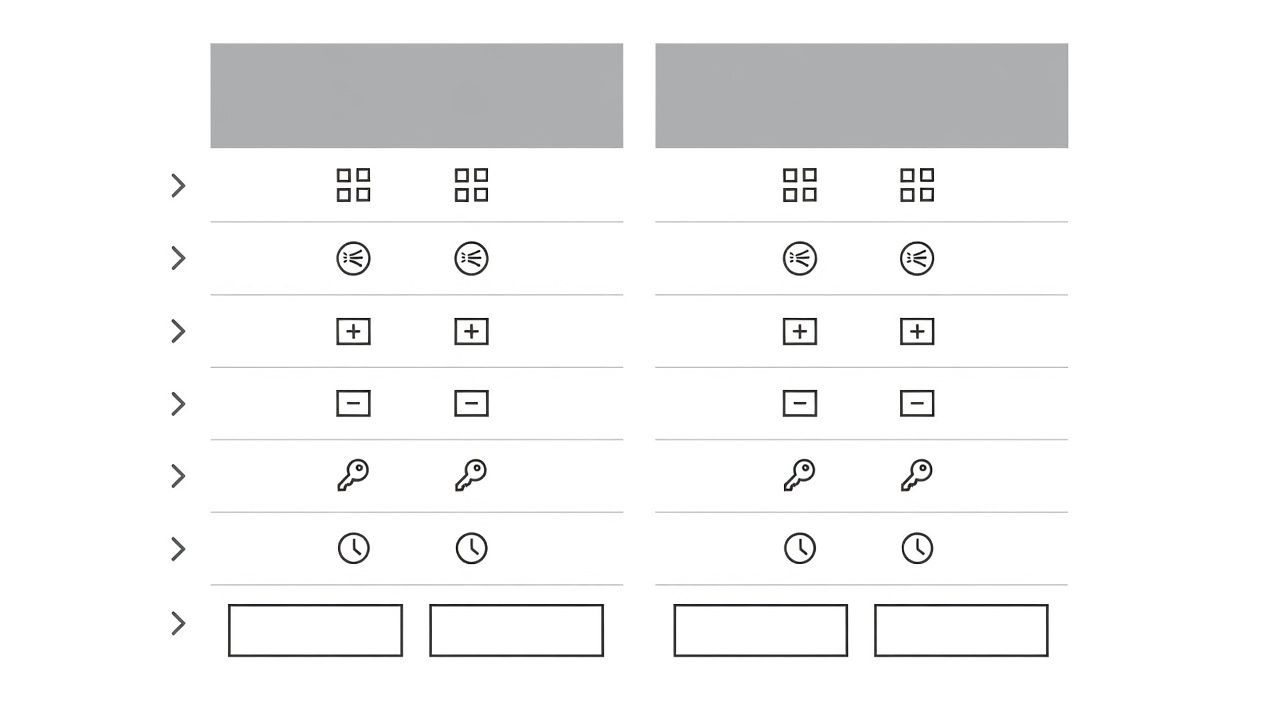
Compare the scope and assumptions before comparing the totals.
Compare the cleaning method, not just the label
The words “steam cleaning” and “dry cleaning” do not provide enough information on their own. Ask what process and equipment are proposed, why they suit the carpet and what preparation is included.
You can ask Urban Cleaning which method it would propose for your carpet through its carpet cleaning service page.
Hot water extraction
Hot water extraction can be appropriate where a deeper clean is required and the carpet, construction and site conditions are suitable. The quotation should explain:
- Whether the carpet will be pre-vacuumed
- What pre-treatment and agitation are included
- How extraction will be carried out
- What the expected drying arrangements are
- When the area can be used again
The method may require more planning around occupancy, ventilation and access to the space. That does not automatically make it unsuitable; it means the drying and scheduling assumptions should be written into the quotation.
Encapsulation and other low-moisture approaches
A low-moisture method may be considered where the carpet is delicate or the premises cannot accommodate much moisture. Ask what the process involves, how soil is removed, and whether any later vacuuming or follow-up action is expected.
The right choice depends on the fibre, carpet construction, condition and operational constraints. Avoid choosing solely because a method sounds faster or because it appears in a cheaper quotation. Ask the technician to explain the trade-off between moisture, drying expectations, carpet suitability and disruption.
Questions to ask about method
Send the same questions to each shortlisted provider:
- What carpet fibre and construction have you identified, and how will that affect the method?
- Is pre-vacuuming, pre-treatment, agitation and post-clean inspection included?
- What drying conditions and access restrictions should we plan for?
- Are stain treatments included, limited or charged separately?
- What would cause the proposed method to change after a site inspection?
A credible quotation should make the proposed process understandable without relying on a headline term.
Include Bristol and Bath access conditions in the quotation
Access can affect equipment choice, labour time and the working schedule. It should be discussed before approval, particularly where the building is multi-storey, occupied or difficult to reach.
For a Bath property with restricted parking, narrow approaches or heritage-building constraints, ask how equipment, hoses, water and waste will be managed. Do not assume that a particular building has a specific restriction; confirm the arrangements during the survey.
For a multi-storey Bristol office, clarify whether portable equipment is proposed, how it will reach each floor and whether lifts, stairs or long hose runs are involved. Also confirm access to reception areas, corridors and staircases, as these may have different traffic levels and scheduling requirements.
Record the following in writing:
- Parking, loading and unloading arrangements
- Hose reach and equipment route
- Lift and stair access
- Water and power availability
- Waste-water arrangements
- Security, keys, alarm procedures and sign-in requirements
- Whether furniture must be moved by the provider or the client
- Whether work will be carried out during normal hours, overnight or at weekends
Ask whether out-of-hours, weekend or phased work carries a surcharge. Compare a single closure with floor-by-floor cleaning if the premises cannot be vacated all at once. The cheapest total may be less useful if it assumes access that your organisation cannot provide.
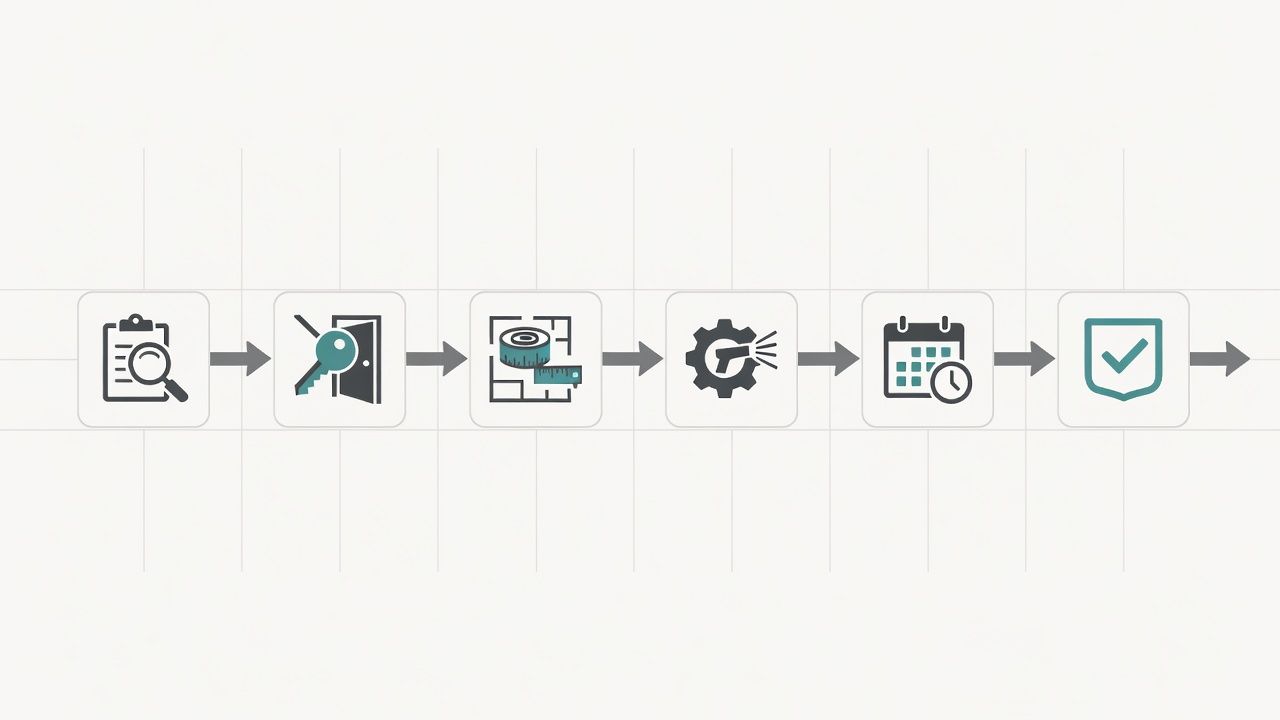
Access and scheduling details belong in the quotation, not in last-minute assumptions.
Check insurance, training and credentials
Commercial premises should request current evidence of relevant insurance before work begins. Ask for the dates, insured party and level of cover on public liability and employers’ liability certificates, and check that the documents relate to the provider undertaking the work.
Also ask who will attend site, what training is relevant to the proposed work and whether subcontractors may be used. If a subcontractor is involved, clarify who remains responsible for supervision, insurance, risk assessment and any damage or complaints process.
Providers may refer to credentials or procurement schemes such as:
- BICSc
- National Carpet Cleaners Association membership
- SSIP schemes
- Constructionline
These should support, not replace, a clear quotation. Ask what the status covers, whether it is current and how it relates to the carpet-cleaning service being proposed. A broad procurement credential is not by itself an explanation of fibre identification, method selection or site control.
Identify inclusions, exclusions and possible extras
Two quotations can have similar totals but materially different scopes. Check each one for the following items:
- Furniture moving and replacement
- Edge cleaning
- Stair cleaning
- Spot and stain treatment
- Treatment of heavily soiled areas
- Deodorising
- Carpet protectant
- Minimum call-out charges
- Travel or parking costs
- Out-of-hours surcharges
- Additional charges for water-sensitive or damaged carpet
Do not assume that every stain can be removed. Ask whether stain treatment is an attempt included within the quoted work, an optional service or subject to a separate charge. Pre-existing damage, loose carpet, colour issues and water sensitivity should be recorded before work starts.
Protectant products and deodorising treatments should be treated as optional decisions unless the quotation specifically includes them. Ask what is being applied, where it will be applied and what the charge is. Avoid comparing a quote including an optional treatment with one that excludes it.
The variation process matters too. The quotation should explain what happens if the measured area differs, access is unavailable, furniture has not been cleared or the carpet condition requires a different approach. Require approval before chargeable variations are undertaken.
Choose for operational fit, not headline price
Once the quotes have been standardised, assess each one against the decision factors that matter to your premises. You can use a simple scoring sheet, but avoid giving a provider a high score where information is merely missing. Mark the item as “clarification required” instead.
For an occupied office, prioritise drying expectations, phased scheduling, furniture handling and disruption controls. For a school or care home, clarify safeguarding, access control, working-hour restrictions and how areas will be handed back. For a Bath property with access constraints, give more weight to the site plan and equipment route. For a multi-site portfolio, check whether each location has been measured and quoted consistently.
For delicate fibres, method suitability and technician assessment should carry more weight than a low advertised price. For high-traffic reception areas and corridors, compare the proposed frequency as well as the immediate clean. The appropriate interval will depend on the premises and its use; our guide on how often offices should have carpets cleaned covers this in more detail.
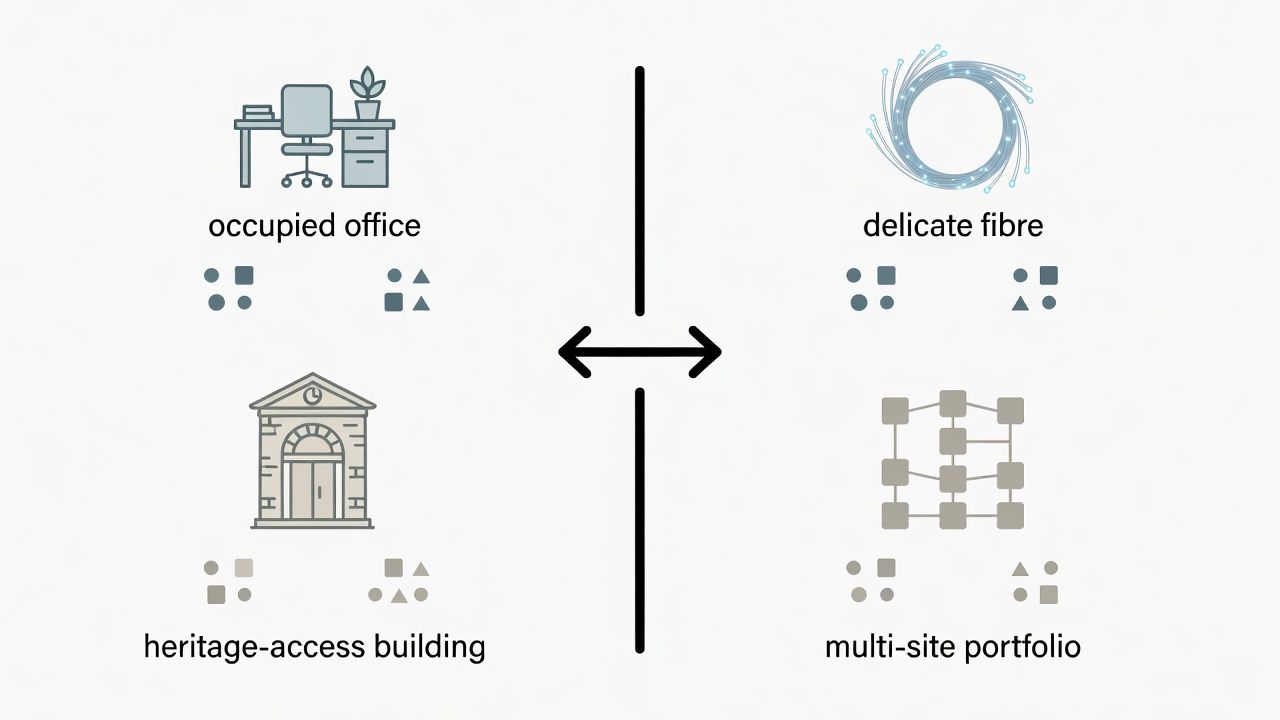
The most suitable quote depends on the premises and operating context, not only the total.
A more complete quotation may be preferable to a lower but uncertain total because it gives you a clearer basis for budgeting and procurement. If two prices still cannot be compared fairly, ask for a revised itemised quote rather than selecting on price alone.
A practical brief for requesting quotes
Send every provider the same written information. Include:
- The site address and whether the work is in Bristol, Bath or another nearby location
- Carpeted area, room list and floor-by-floor breakdown
- Carpet type if known, plus photographs of stains or damaged areas
- Occupancy pattern and any sensitive areas
- Parking, loading, lift and access restrictions
- Preferred working hours and any required completion date
- Furniture that must be moved or cleared by the client
- Whether phased or out-of-hours work is required
- Your requirements for insurance, risk assessments and method statements
Request a quotation that states the method, preparation, inclusions, exclusions, drying expectations, access assumptions, optional treatments, VAT position and variation process. Keep the approved quote and site instructions with the purchase record.
For further practical guidance, the Urban Cleaning blog and Urban Cleaning home page provide routes to the wider service information. If you are assessing premises in Bristol or Bath, you can also request a quotation through the carpet cleaning Bristol and Bath service page, or contact Urban Cleaning on 0117 332 1241 or admin@urbancleaning.co.uk, Monday to Friday, 08:00 to 17:00.
The defensible choice is the quotation that matches the measured scope, uses a suitable method, reflects the real access and scheduling conditions, and documents its assumptions. Comparing those factors first gives you a clearer basis for selecting a provider than comparing headline totals alone.