
Commercial Carpet Cleaning in Bristol and Bath: A Practical Guide
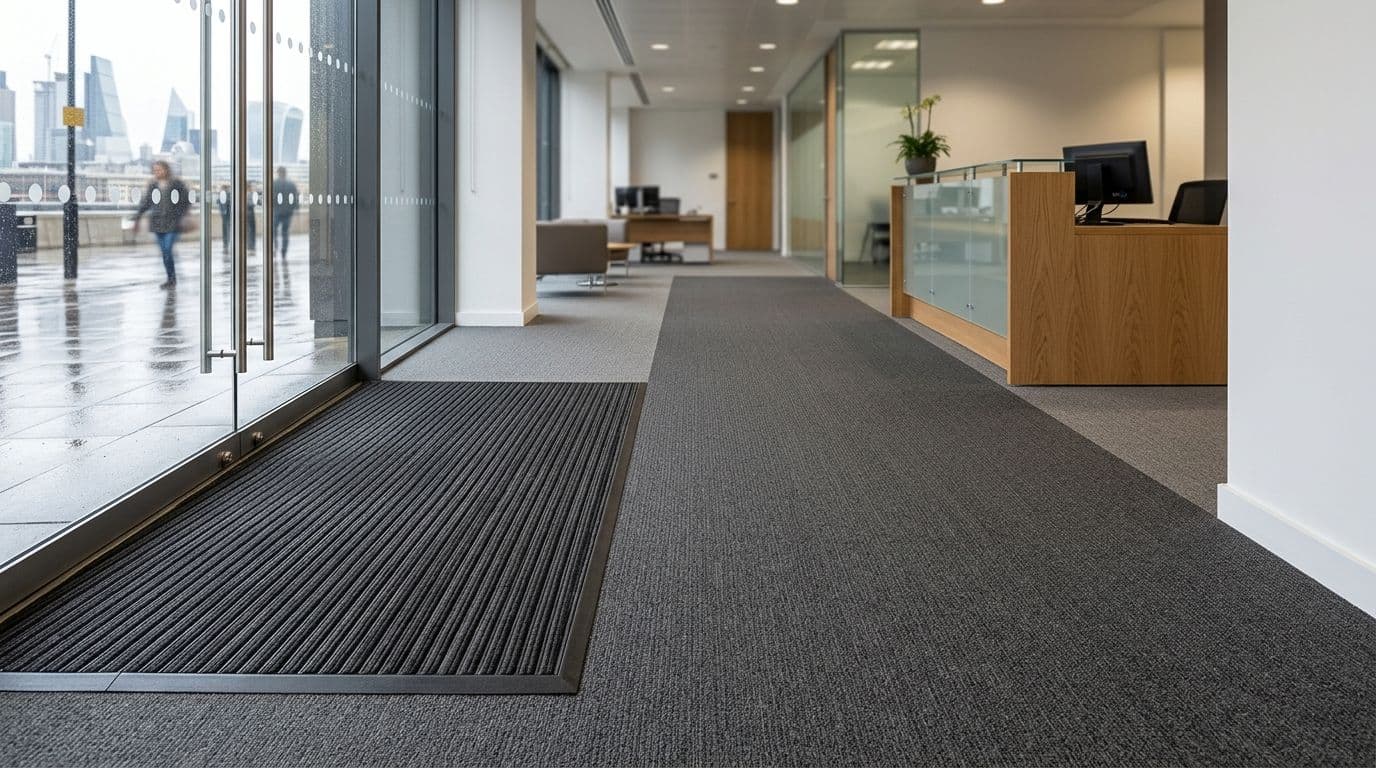
Commercial carpet cleaning is planned professional care for carpets in workplaces, shared buildings and other busy spaces. It can also be relevant to a household with a heavily used entrance or several carpeted areas that are difficult to manage through routine care alone.
The right arrangement depends on how the space is used, where foot traffic is concentrated, what needs attention and how access can be organised. In practice, good results start before the visit: maintain the carpet routinely, identify priority areas, clear what can be moved and explain the building’s constraints clearly.
For businesses and households in Bristol and Bath, Urban Cleaning’s carpet cleaning service provides a useful starting point for discussing the areas that need attention.
What commercial carpet cleaning involves
Commercial carpet cleaning is not simply a larger version of cleaning a domestic room. Offices, corridors, lobbies and shared hallways often have different patterns of use within the same building. A reception may collect dirt from outside, while a quiet meeting room remains relatively lightly used. A corridor between work areas may show wear along one central route, and a tea point may need attention because of recurring spills.
A suitable plan should take account of:
- the carpeted rooms and routes that need cleaning;
- entrances, service doors and other points where outside dirt may be brought in;
- furniture, chair tracks and areas beneath desks;
- spill-prone locations such as reception areas or food facilities;
- the building’s occupied hours and access arrangements; and
- any marks or recurring issues that should be discussed before work begins.
Routine care remains important after a professional visit. Vacuuming, entrance mats and prompt attention to fresh spills all help keep a carpet manageable between appointments. Professional cleaning complements those habits; it does not remove the need for them.
When should a business arrange professional carpet cleaning?
There is no single timetable that suits every office, shop, shared hallway or home. A better starting point is to look at the condition and use of each area.
Consider arranging a discussion when:
- high-use routes remain visibly marked despite regular vacuuming;
- reception carpets or lobby areas are becoming difficult to keep presentable;
- chair tracks and movement zones are collecting soil;
- spills are recurring near tea points, kitchens or food-service areas;
- a shared hallway receives regular foot traffic from several occupants; or
- the carpet needs attention before a change in occupancy, refurbishment or an important period of use.
Prioritise rather than assuming every room needs the same attention. A busy corridor may deserve earlier consideration than a quiet side room. Likewise, a fresh coffee mark needs a different conversation from an older, recurring mark that has already been worked on several times.
The timing should also suit the building. If staff, visitors or residents need to move through the area continuously, explain this when making an enquiry. A quieter operating period may make access easier, but the practical choice depends on the layout and use of the space.
How to prepare a carpeted space
Preparation does not need to be complicated, but it can make the visit easier to organise. Before booking or before the scheduled visit:
- Identify the areas. Note the rooms, corridors, entrances and priority spots to be discussed.
- Clear movable items. Move light chairs, bins, loose belongings and personal items from the areas where practical. In an office, this may include clearing space beneath desks.
- Keep access routes open. Provide a clear path from the entrance to the carpeted work areas and mention any doors, lifts or rooms that may be restricted.
- Flag problem spots. Point out coffee or tea spills, chair tracks, recurring marks and areas near food facilities rather than leaving them for the cleaner to discover.
- Protect items that should remain in place. Tell the service provider about furniture, equipment or belongings that must not be moved.
- Explain the building’s routine. Share information about occupied hours, residents, visitors, staff movement and any areas that cannot be left unattended.
For a fuller pre-visit checklist, see how to prepare for a professional carpet clean.
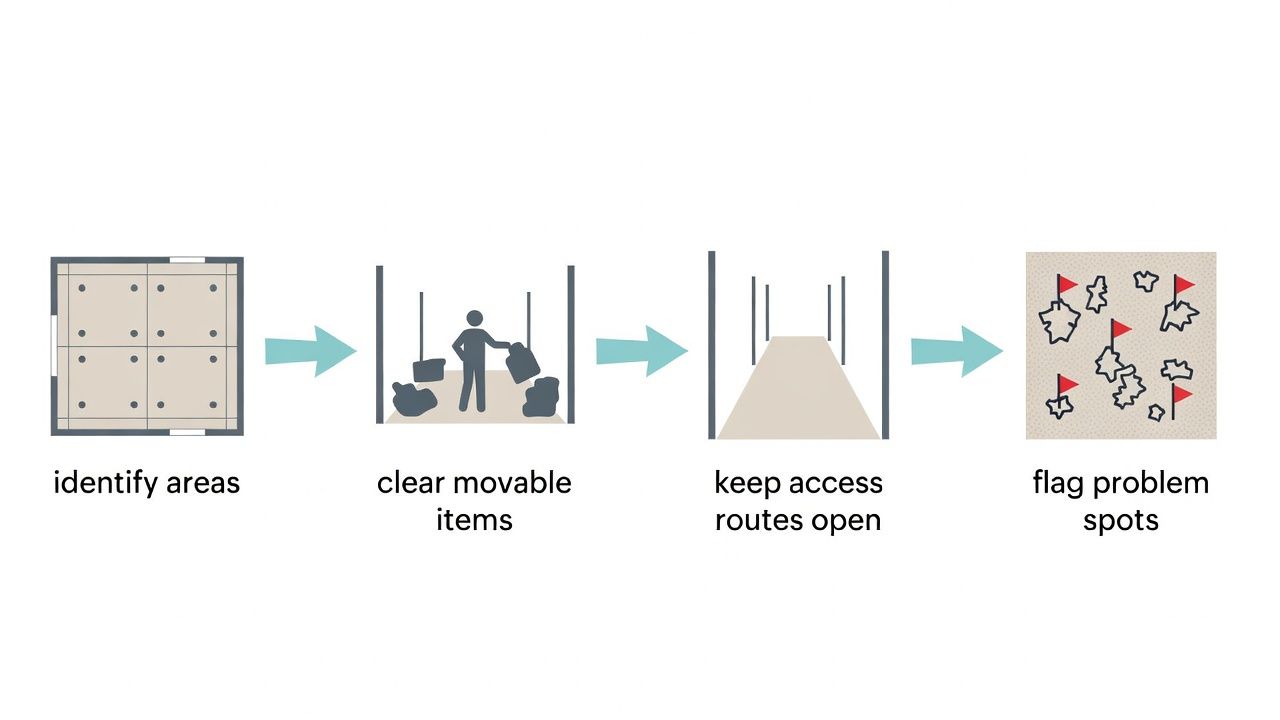
A simple preparation sequence for businesses and households.
Everyday habits that support carpet care
A small amount of consistent attention can help prevent avoidable build-up and make problem areas easier to identify.
- Vacuum according to use. Main office routes, entrance lanes and shared corridors may need attention more often than quiet rooms. Adapt the routine to the way people actually move through the building.
- Use entrance mats thoughtfully. Place suitable walk-off mats at main doors and service entrances where appropriate, and include the mats in the cleaning routine rather than treating them as permanent protection.
- Deal with fresh spills carefully. Blot coffee, tea and other liquid spills with a clean white cloth instead of scrubbing. Scrubbing can work the spill further into the carpet and spread the affected area.
- Be cautious with spot treatments. Follow the product instructions and test a treatment on a hidden carpet edge before using it more widely. If a mark is persistent or its cause is unclear, record it and mention it when arranging professional cleaning.
- Keep a simple problem record. In a workplace, noting where marks recur can reveal useful patterns, such as a busy entrance, a chair route or a tea point that needs extra attention.
These habits apply at home too. A household’s main route from the front door may need more frequent care than a spare room, particularly where outdoor shoes, children or pets contribute to regular traffic.
What to discuss when choosing a local service
A clear enquiry is more useful than a vague request for every carpet to be cleaned. Give the provider enough information to understand the work before a visit is arranged.
Describe the location, the carpeted areas and the access points. Explain whether it is a Bristol office with a busy reception, a Bath shared hallway or a household entrance with recurring marks. Include details about furniture, occupied hours, parking or entrance restrictions where relevant, and any items that need to stay in place.
It is also sensible to ask how the visit will be organised around your space. Clarify:
- what you should move before the appointment;
- which routes need to remain clear;
- whether particular rooms or sections can be handled separately;
- how to identify marks that need special discussion; and
- what information the provider needs about access and building use.
The aim is not to select a service based on one broad promise. It is to establish whether the provider understands the space, the practical constraints and the work you want to arrange.
Urban Cleaning Ltd serves Bristol and Bath. You can review the carpet cleaning service details or contact Urban Cleaning with the location, areas and access information ready. The company can be reached on 0117 332 1241, Monday to Friday from 08:00 to 17:00.
Common misconceptions about commercial carpet cleaning
“Professional cleaning means we can stop vacuuming”
Routine vacuuming still matters. It removes everyday loose soil and helps you notice changes in busy routes before they become larger maintenance issues.
“Every carpeted room needs the same attention”
Use, access and soil levels vary. A lobby, central corridor, quiet office and household spare room should not automatically be treated as one identical job.
“Scrubbing is the best response to a spill”
Blot fresh liquid with a white cloth and avoid working it aggressively into the pile. Use any spot treatment cautiously, following its instructions and testing it first in an inconspicuous place.
“A fixed cleaning timetable works for every building”
A shared hallway, a busy reception and a lightly used room have different demands. Planning should reflect actual use, visible condition and the building’s ability to provide access.
“The decision can be based on a promised result alone”
Carpets differ in construction, condition and history. A more practical approach is to describe the space accurately, identify priority areas and discuss what can be done within the available access and preparation arrangements.
A practical sequence for your next booking
Start with routine care and identify the areas that are genuinely causing concern. Then clear movable items, keep access routes open and note the marks or high-use zones you want to discuss. When contacting a local provider, explain the space and its constraints rather than relying on a general description.
For readers in Bristol and Bath, Urban Cleaning Ltd’s carpet cleaning service page and contact page are the next places to review when you are ready to make an enquiry.