
End of Tenancy Carpet Cleaning in Bristol: A Practical Guide
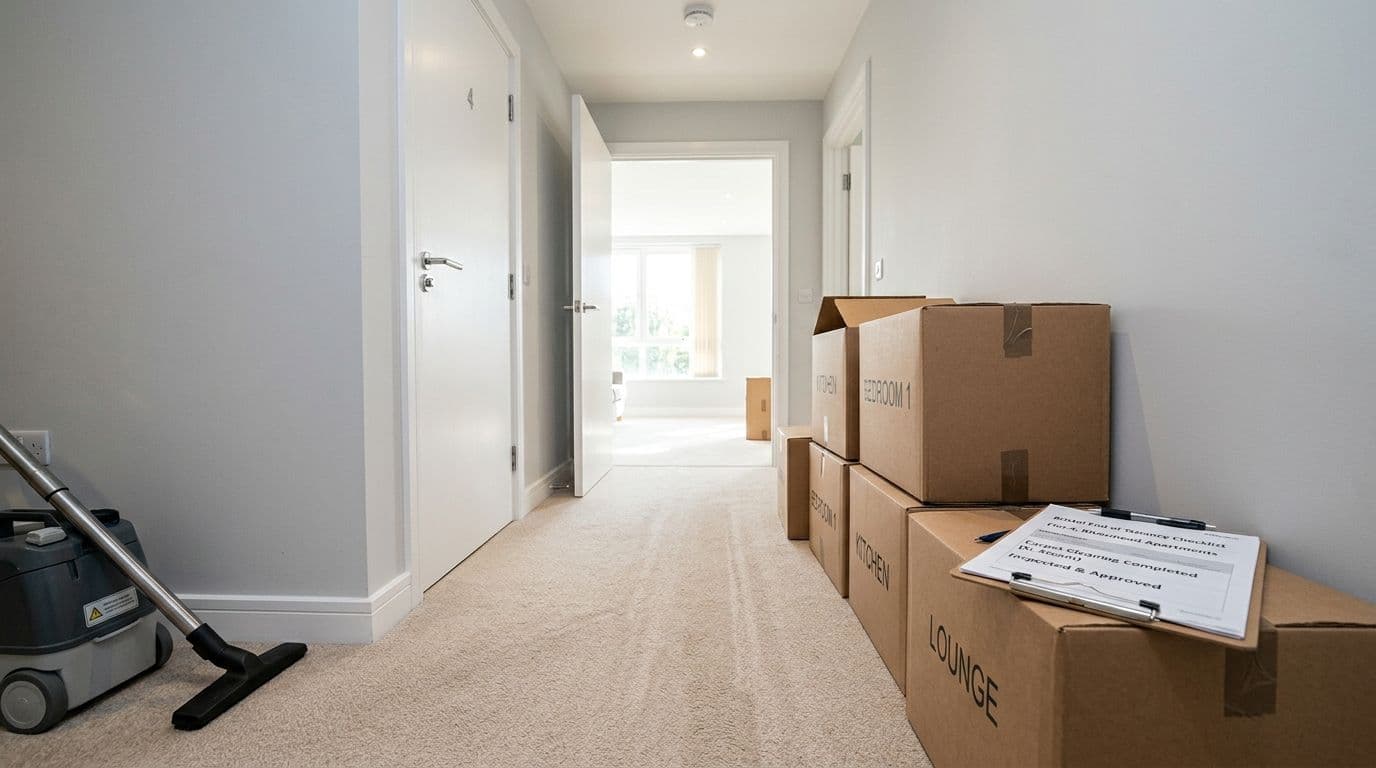
Carpets are often one of the first things noticed during a move-out inspection. Marks in a hallway, worn-looking stairs or items left on the floor can make it difficult to judge the property’s condition clearly, even when the rest of the cleaning is complete.
This guide explains how to arrange end of tenancy carpet cleaning in Bristol or Bath, prepare the property, brief the cleaner and check the work afterwards. It is written for tenants, landlords, property managers and households arranging a changeover.
1. Check what needs to be done before booking
Start with the documents and instructions connected with the property. Review the tenancy agreement, inventory, handover instructions and any messages from the landlord or property manager. Look for details about:
- Which rooms and shared areas must be cleaned
- Whether carpets are specifically mentioned
- The planned inventory or handover date
- How access will be provided
- Whether furniture is expected to remain in place
- Any areas that need particular attention
Do not assume that every carpeted surface requires the same work. Walk through the property and list each area, including:
- Bedrooms and living rooms
- Hallways and entrances
- Stairs and landings
- Communal areas in a house-share
- Carpeted cupboards or other areas included in the inventory
Separate normal soiling from damage. A food mark or muddy traffic route is a cleaning observation. A burn, pulled fibre, worn patch or permanent discolouration should also be recorded as a condition issue.
Take clear photographs before anything is moved or cleaned. Include wider room views as well as close-ups of stains, odours, burns, pulled fibres and worn sections. Keep the inventory and photographs together with your move-out records.
For example, a tenant in a Bristol flat might find that the inventory mentions the bedroom and lounge but not the communal hallway. The hallway should still be checked if it forms part of the property being handed back. A Bath landlord preparing a changeover can use the same room-by-room approach to identify which carpets need attention between occupancies.
If you are ready to discuss the scope, see Urban Cleaning’s carpet cleaning service in Bristol.
2. Brief the cleaning service accurately
When requesting availability, provide enough information for the visit to be planned properly. Include:
- The property address and whether it is in Bristol or Bath
- The rooms, stairs and shared areas requiring carpet cleaning
- The intended move-out, inspection or changeover date
- Any visible stains, pet-related soiling, odours or damaged sections
- Access arrangements, parking or loading restrictions and key instructions
- Furniture that will remain in place
- Whether the visit is part of wider end-of-tenancy cleaning
Be specific about the purpose of the appointment. A tenant leaving a property, a landlord preparing for a new occupant and a property manager coordinating several units may need different room lists and access arrangements.
Ask what must be removed, which furniture can be moved, what areas are excluded and what information the cleaner needs before arrival. Do not assume that every mark can be removed or that damaged carpet can be repaired as part of a cleaning visit.
A Clifton house-share, for example, could send a room list identifying the high-traffic hall and living-room carpet, while labelling belongings that must not be moved. A property manager handling several Bristol addresses should provide separate access instructions and room lists for each property rather than relying on a single general note.
For help confirming the scope or arranging a visit, contact Urban Cleaning.
3. Prepare the property before the appointment
Complete these actions in order so the carpeted areas are accessible and the condition record is clear.
Clear the floors
Remove personal belongings, rubbish, boxes, toys and loose items from every carpeted area. Check under beds, behind doors and along hallway edges. Place items in an agreed location rather than leaving them where they may obstruct the work.
Move small, light furniture where practical. Discuss larger or heavy items in advance instead of attempting to move them without help. If something must stay in place, record it on the room list.
Record the existing condition
Match each photograph to a room and location. Write down the position of notable marks, such as “near the left side of the stair landing” or “beside the lounge entrance”. Also record damage that should not be confused with cleaning, including:
- Pulled or loose fibres
- Burns
- Frayed thresholds
- Worn traffic routes
- Loose carpet or exposed underlay
- Existing discolouration
Follow any pre-visit instructions
If the service asks you to vacuum first or complete another preparation step, follow those instructions. Take care around loose fibres, thresholds and damaged sections. Do not apply unapproved products to difficult marks immediately before the appointment, as this can change their appearance or affect how they are assessed.
Confirm access
Make sure the cleaner can reach every listed room, stairway and landing. Arrange keys, entry instructions and parking information in advance. Secure pets and remove valuables, paperwork and personal documents from the work area.
A family moving out of a terraced house might clear furniture from the stairs and landing first, then photograph pet-related soiling before booking. In a Bristol hallway, removing boxes can make the full carpet accessible and make the final inspection easier.
For more preparation detail, read how to prepare for a professional carpet clean.
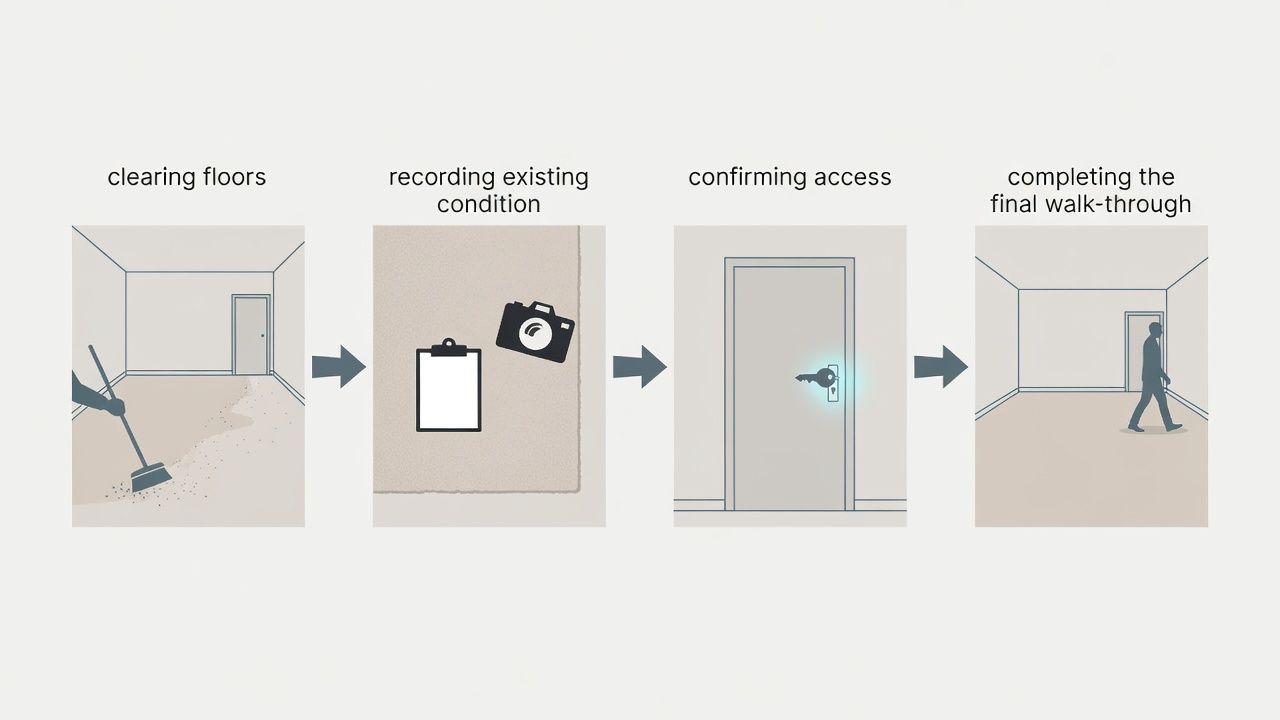
Prepare the property in sequence: clear floors, record condition, confirm access and check the rooms.
4. Manage the appointment day
Before work begins, walk through the property with the cleaner if possible. Point out every carpeted area on the room list and show the photographs or notes for stains and damaged sections.
Confirm:
- Which rooms are included
- Which furniture is staying in place
- Which areas have existing damage
- Where keys should be left or returned
- How access will work after the appointment
- Any instructions for using the rooms afterwards
Keep valuables, documents and personal items away from the work area. If you are a landlord or property manager leaving access instructions, label keys clearly and include a contact route for questions.
Use the inventory and photographs as the condition record. A cleaning appointment is not automatically a repair inspection, so keep cleaning observations and carpet damage as separate notes.
After the visit, follow the service’s instructions about room use and furniture placement. Do not assume a particular drying period or put furniture and belongings back until the agreed instructions allow it. Protect the carpets from fresh mud, food and pet soiling while the move-out process continues.
5. Complete a room-by-room check
Inspect the property after the appointment and before the inventory or handover where practical. Use the same room list you prepared at the start.
Check the centre of each room, but also inspect the areas that are easy to overlook:
- Doorways and entrances
- Hallway edges
- Stairs and landings
- Corners and areas beneath furniture
- High-traffic routes
- Thresholds and joins
Confirm that every listed carpeted area was accessible and that loose items are accounted for. Compare visible marks with the pre-cleaning photographs rather than relying on memory.
If a mark remains, note its exact room and location and contact the cleaning service promptly with the agreed scope and your photographs. Do not describe further cleaning as certain to remove it. If the issue is a pulled fibre, burn or worn area, keep it recorded separately as damage rather than treating it as an unfinished cleaning task.
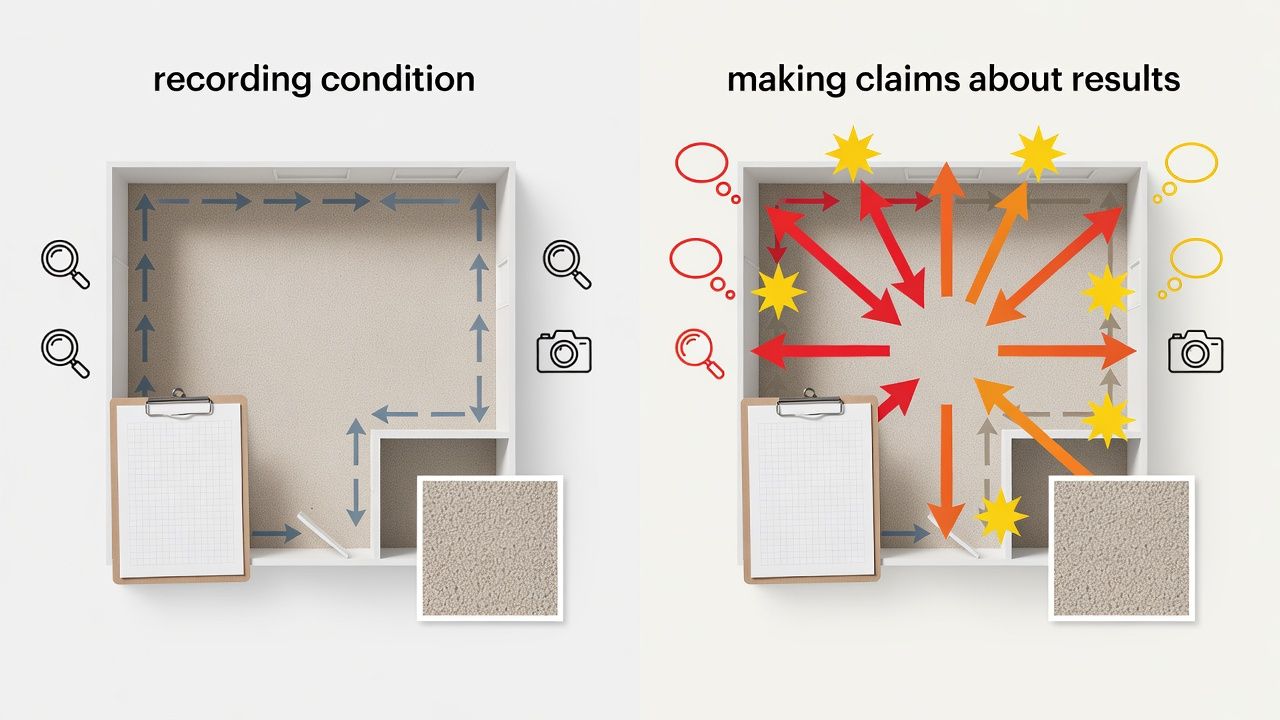
Use the inventory and photographs to document condition, access and any unresolved issues.
Completion check
The carpet-cleaning part of the move-out is ready to sign off when:
- The tenancy documents and inventory have been checked
- Every carpeted room, stair and shared area is on the room list
- Personal belongings, rubbish and loose items have been removed
- Existing marks and damage are photographed and described
- Access instructions and keys have been dealt with
- The agreed carpeted areas have been inspected afterwards
- Any remaining mark or damage has been assigned to the right person
- Unresolved issues are written down and shared with the relevant tenant, landlord or property manager
- Rooms are ready for the next agreed step in the handover
A tenant might record a remaining stair mark without confusing it with a pulled fibre already shown in the original inventory photograph. A property manager may use the same completed room list for each Bristol unit so that no carpeted area is missed during a multi-property changeover.
6. Keep the records until handover is complete
Store the inventory, before-and-after photographs, room list, access notes and cleaning correspondence together. Keep them available until the inspection, handover or changeover has been completed.
If the property also needs kitchen, bathroom, window or general end-of-tenancy cleaning, keep those tasks on a separate checklist. This prevents carpet cleaning from being treated as a substitute for the wider move-out work, or the wider clean from obscuring a carpet issue.
Urban Cleaning Ltd serves Bristol and Bath. To discuss end-of-tenancy carpet cleaning, use the Bristol carpet cleaning service page or contact Urban Cleaning. You can also call 0117 332 1241, Monday to Friday from 08:00 to 17:00.