
Hot Water Extraction vs Low Moisture Carpet Cleaning
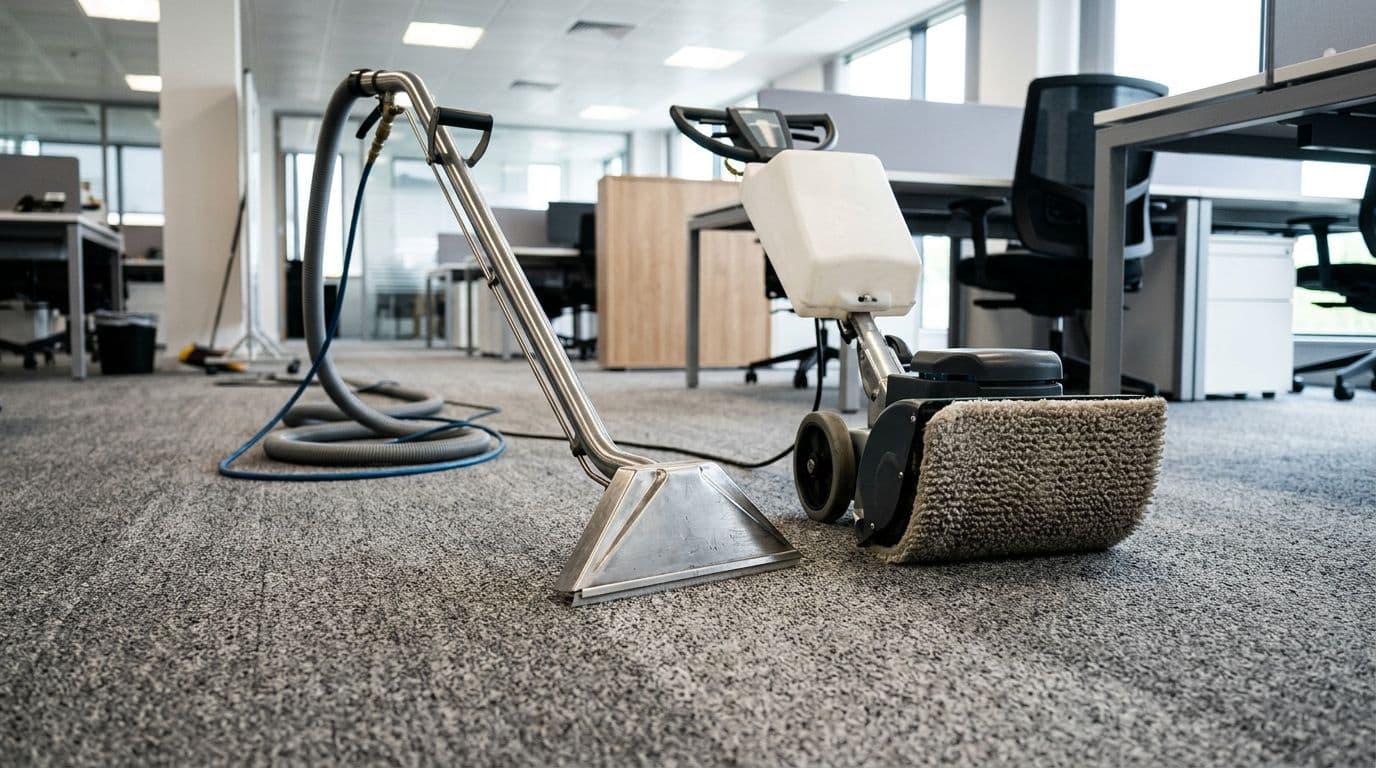
If you are choosing between hot water extraction and low moisture carpet cleaning, the right answer depends on the carpet and the job—not on a universal winner. A busy family home with embedded grit has different needs from an office that must remain available throughout the day.
Hot water extraction is often called steam cleaning, although the more precise term is hot water extraction. Low moisture carpet cleaning is a broader group of approaches, including encapsulation, bonnet cleaning and dry compound cleaning. Each has a useful place, but they are not interchangeable.
This guide compares the practical trade-offs for households and businesses in Bristol and Bath, so you can discuss the most suitable approach with a cleaning provider.
What is hot water extraction?
Hot water extraction applies a cleaning solution—often after pre-conditioning or pre-spray—to the carpet. Agitation may be used to help loosen soil. A cleaning tool then rinses or flushes the fibres while vacuum extraction recovers the liquid, loosened soil and residues.
The process is generally considered when soil has become embedded in the carpet rather than sitting only at the surface. It may be worth discussing for:
- Visible traffic lanes with accumulated grit
- Carpets that have not had a thorough professional clean for a long interval
- Sticky spills or residues that need preparation before the main clean
- A planned one-off clean before moving or a tenancy change
- Areas where a more intensive cleaning process is appropriate for the carpet's construction
The trade-off is that the process introduces liquid which then needs to be recovered. Furniture, access, ventilation and temporary restrictions on using the area therefore need to be planned. The condition of the backing and subfloor also matters. Over-wetting or incomplete recovery can create problems, and residues or soil left in the carpet can contribute to wick-back, where marks later return towards the surface.
Extraction alone is not a guarantee of complete stain or odour removal. A stain, urine residue or other difficult problem may require separate assessment, suitable preparation and realistic expectations about what can be achieved safely.
For local service information, see Urban Cleaning's carpet cleaning service in Bristol.
What is low moisture carpet cleaning?
Low moisture carpet cleaning, also called very low moisture or VLM cleaning, uses limited liquid or absorbent cleaning materials. The exact process matters because the term covers several different methods:
- Encapsulation: a cleaning solution is worked into the carpet and forms a dry residue around soil particles. The residue is then removed through vacuuming, either during the process or as part of subsequent maintenance.
- Bonnet cleaning: a damp absorbent pad is moved across the carpet surface to collect soil. It is primarily surface-focused and depends on suitable agitation and regular pad changes.
- Dry compound cleaning: a slightly moistened compound is brushed into the carpet to absorb soil before being removed by vacuuming.
These approaches are often considered where reduced disruption is important, such as an office, shop or other workplace that needs regular appearance maintenance. They can also be useful as part of an interim cleaning plan between more intensive visits.
However, “low moisture” does not automatically mean suitable for every carpet or every type of soil. A surface-focused method may not address substantial embedded grit, sticky residues or an odour source below the carpet surface. Repeated agitation, product residue and the quality of subsequent vacuuming should also be considered.
The proposed method should be matched to the fibre, construction, current condition and level of soiling—not selected solely because it uses less liquid.
Hot water extraction vs low moisture carpet cleaning: key decision criteria
1. How deeply is the carpet soiled?
Consider hot water extraction more strongly when soil has been carried deep into the pile or when traffic lanes contain visible grit. Preparation and agitation may still be needed, particularly where soil is greasy, sticky or bonded to the fibres.
Low moisture cleaning may be proportionate when the carpet is lightly soiled and the objective is regular appearance maintenance. It is less suitable as the only response when the underlying problem involves heavy soil or substantial residues.
2. How much disruption can the premises accommodate?
Hot water extraction requires planning for liquid recovery, furniture movement and restricted use while the carpet is being managed after cleaning. A home may be able to accommodate this by working one room at a time. A business may need access arrangements outside its busiest operating periods.
Low moisture cleaning can be attractive where interruption must be limited, but the required preparation, equipment movement and post-clean vacuuming still need to be agreed. Do not assume that every low moisture system has identical access or use requirements.
3. Is the carpet suitable for the proposed process?
The carpet's fibre, construction, backing and previous treatment history should be checked before work begins. Older or damaged carpet may need a more cautious approach. Signs of delamination, loose backing, colour instability or other damage should be raised before a method is selected.
The same premises may contain different carpet types. A single method may not be appropriate for every room, stairway or work area.
4. What is the actual problem?
General soiling, a coloured stain, a sticky spill, a urine residue and a persistent odour are different problems. They may require different preparation and may carry different expectations.
Ask whether the proposed service addresses the visible surface only or is intended to recover deeper soil. Also ask how previous spot-treatment products, residues and wick-back risk will be assessed.
5. Is this a one-off clean or a maintenance plan?
For a one-off deep clean, especially after a long interval, a more intensive process may be worth considering if the carpet is suitable and the premises can accommodate the work.
For commercial premises, a planned combination can make more sense than treating the methods as rivals. Regular low moisture maintenance may help manage appearance and traffic between periodic deeper cleans, with the schedule adjusted for the carpet and its use.
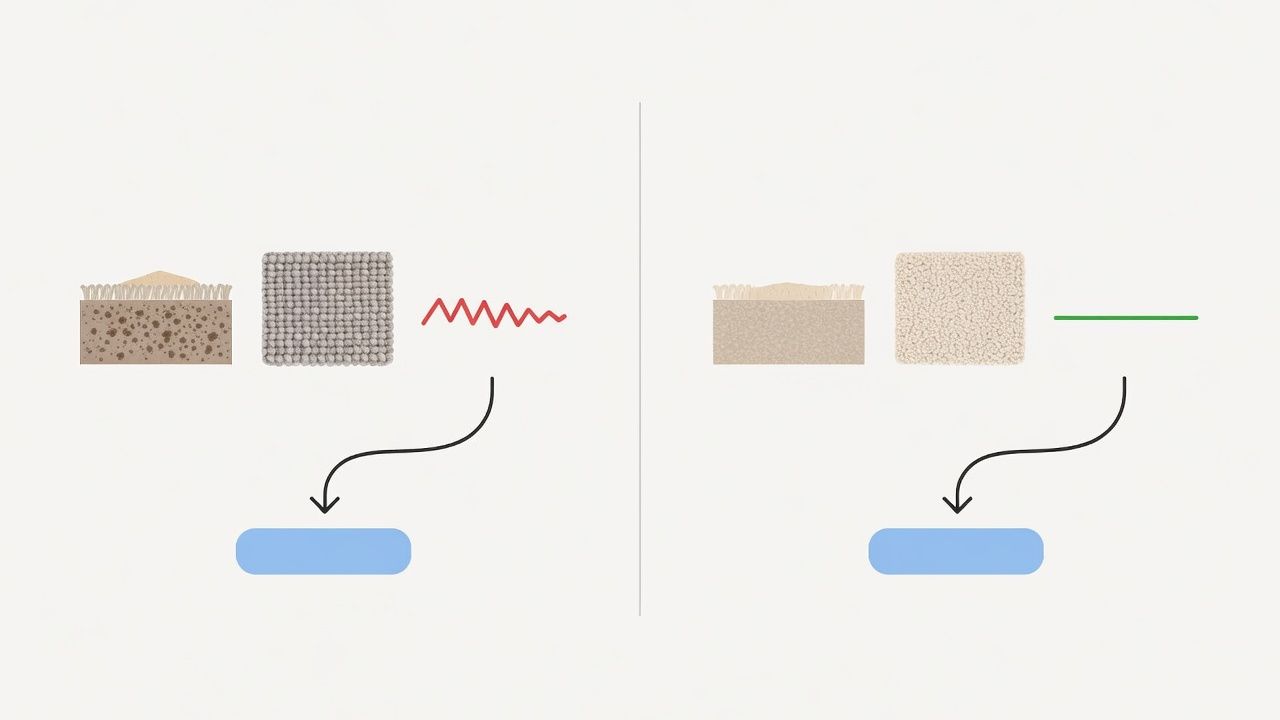
Choose between methods by considering soil, carpet condition and acceptable disruption.
Which method suits common Bristol and Bath scenarios?
A busy family home with pets and traffic lanes
Start with an assessment of the carpet's soil depth, fibre, backing and any pet-related residues. Visible traffic lanes and accumulated grit may point towards discussing hot water extraction, provided the carpet and surrounding construction are suitable.
Tell the provider about urine residues, odours, previous spot treatments and furniture that cannot be moved. The household should also plan how children and pets will be kept away from the working area while the cleaning and aftercare instructions are followed.
An office or retail space with limited downtime
For a workplace that needs repeated appearance care, low moisture cleaning may be worth considering where the carpet is lightly or moderately soiled and the method is suitable for the material. Access, foot traffic, opening hours and the location of furniture should be agreed in advance.
If grit is embedded or the carpet has not received a deeper clean for a long period, ask whether an interim approach alone is enough. A planned maintenance programme may use different approaches for busy entrances, offices and lower-traffic areas.
A one-off clean before moving or a tenancy change
Do not choose solely by the method name. Identify stains, traffic lanes, furniture restrictions and any existing damage before requesting advice. Allow enough time to arrange access and deal with areas that need additional attention.
If documenting the carpet's condition, take photographs before work begins and share relevant information about previous treatments. This helps separate pre-existing wear or damage from cleaning-related expectations.
Lightly soiled carpet needing a refresh
A low moisture approach may be proportionate when the carpet needs interim maintenance rather than intensive recovery. Confirm what the process is designed to address and what vacuuming or aftercare will be needed.
If the carpet has sticky deposits, deep grit or recurring odours, ask for a fuller assessment instead of assuming a quick surface treatment will resolve the cause.
How to prepare and brief a cleaning provider
Before requesting advice, note:
- The carpet fibre or any manufacturer information available
- The rooms or areas affected
- Visible stains, traffic lanes, residues and odours
- Previous DIY or professional treatments
- Furniture that cannot be moved
- Access restrictions, parking arrangements and preferred working times
- Any children, pets or sensitive occupants who need to be considered
This preparation guide for a professional carpet clean can help you organise the practical details.
Ask which method is being proposed, why it suits the carpet, what preparation is included and what restrictions or aftercare apply. A useful recommendation should take account of the carpet's condition and the premises' schedule rather than simply presenting one method as best.
Making the decision
Choose hot water extraction for consideration when deeper soil, accumulated grit or a planned restorative clean is the main concern and the premises can manage the associated disruption. Choose low moisture cleaning for consideration when the carpet needs suitable interim maintenance and reduced interruption is an important priority.
Neither option is automatically right for every fibre, construction or problem. The sensible choice is the one that matches the carpet, soil, access and expectations. In a home or business with different carpeted areas, the most practical plan may vary by room and combine maintenance with occasional deeper cleaning.
Urban Cleaning Ltd serves Bristol and Bath. If you want to discuss the condition of your carpet and the practical constraints at your premises, contact Urban Cleaning or call 0117 332 1241. Urban Cleaning is open Monday to Friday, 08:00 to 17:00.